

Security Checks That Keep Up With AI Coding
An agent can finish a change and pass its tests while a dependency has a newly disclosed vulnerability. Security information changes independently of your code, and the next agent needs evidence it can inspect without reconstructing the previous conversation. Our workflow needed repeatable checks that connect dependency versions to current
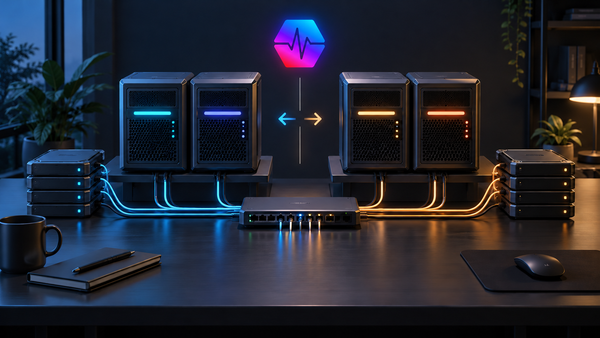
A Guided Setup for PulseChain Nodes
Choosing a PulseChain client is only the beginning. You still need to decide how it runs, where its data lives, and how much history to keep. setup-pulsechain-node brings those decisions into a guided installer, followed by a management menu for everyday operations. Select your execution client, Erigon 2

Keeping Credentials Secure While Giving AI Agents More Autonomy
AI agents become more useful when they can authenticate to the services involved in their work. A development agent might need access to a Git host, a deployment platform, or a database. Those credentials also give mistakes consequences: a token printed in terminal output can enter the agent’s conversation,

Choosing the Right Language for Agentic Coding
When an agent writes your code, language choice affects how much it reads and generates, which mistakes its tools catch, and how many attempts it needs before the result works. Choose a language that fits both the software and your budget. GitHub's 2025 Octoverse report identifies Python, JavaScript,

Is Serverless Making a Comeback?
If you remember regularly finding a tempting server rental deal, today's prices can make running a small project feel expensive. When the next bargain is harder to find, it is worth asking whether every website still needs an always-on server of its own. AI infrastructure is part

Gemini 4 Argon: Benchmarks, Costs, and Choosing the Right Model
Argon’s benchmark gains, task costs, and which provider fits your work.

Ship Fast, Find Flaws First: Pentesting Your Apps With Strix
Strix is an open-source AI pentesting tool for source code, web apps, and APIs. It investigates security flaws such as broken authorization, injection, and business-logic errors, then produces findings with evidence and remediation guidance. For your own apps, use an assessment of the staging environment as part of

How Pinned Rules Keep Coding Agents on Track
Keep critical coding-agent behavior visible without turning every prompt into another instruction manual.

Call Functions Directly from the Dysnomia Documentation
Read contract state, simulate writes, and submit transactions directly from the Dysnomia documentation.

Why Your Coding Agents Should Share an Obsidian Vault
Using several coding agents can turn you into the clipboard between them. One remembers why a design was rejected, another knows the current deployment rule, and the next starts with neither. An Obsidian vault gives them a shared, human-readable source of durable context. It does not merge chat histories

New Model Report: GPT-6 Sol and Luna, Claude Opus 5.5, and Grok 4.7
Several major AI models have arrived almost at once. Grok 4.7 is aimed at coding and longer tasks. Claude Opus 5.5 promises stronger results at a lower cost than its predecessor. GPT-6 Sol and Luna bring less expensive options to OpenAI's GPT-6 family. Each

How to Fix a Slow GUI Without Guessing
When an app feels slow, developers often start changing whatever looks expensive. That produces plausible fixes, but not necessarily a responsive interface. Instead, measure two things at once: how long the interface stops responding and what the UI thread is doing during that time. A watchdog measures responsiveness by asking